By , March 18, 2013 8:12 am

The White Desert was our favourite place in Egypt. And it’s not even because there were no vendors, touts, scammers, or hustlers about – although that fact certainly helped increase its status in our minds. It was the gorgeous landscape that we had all to ourselves. The only other travelers were met at common lunch stops. The peace and calm were inviting. And sleeping under the stars was unforgettable.

Mike wanted to do two things in Egypt. See the pyramids and ride camels. And not at the same time. He wanted to really ride camels… as in a camel safari across the desert. Although technically possible, we found the safaris that crossed the sand sea to be both time and cost prohibitive. So we toned it back a bit.

For us, the best tour we could find still came with a hefty price tag – $300 USD per person for 4 days and 3 nights. It was a lot of money, but it had camels and was a private tour (there are group tours available, but there were honestly no other tourists while we were there that were interested in more than a two day, single night tour so there was no one to group up with). Anxious to get away from the touristy bits of Cairo, we talked ourselves into it.

The first day of the tour started at our Cairo hotel. We were driven to the bus station and put on a local bus out to Bahariya Oasis. We drove through miles of desert, with a rest stop halfway, at what seemed to be an industrial work camp. When we arrived at the Oasis, we were relieved to find that someone was there to meet us (we had no ticket or receipt for the tour, so we had taken a huge leap of faith by paying up front in Cairo and hoping we would get all that was promised… we didn’t even know the safari company’s name!).

Road to the White Desert Rest stop in the desert

We were driven to the edge of the oasis where the safari company was based. They fed us lunch, introduced us to our driver and guide for the next three days, and squeezed a little extra money out of us by making us pay for our drinking water which was supposed to be included. We climbed in the jeep with Tamr and drove off to the Black Desert where we got to snap pictures until we were satisfied we’d seen enough. Then, we drove to Crystal Mountain for more photos, before driving on to the camel camp.

White Desert Tamr, our jeep, and another tour jeep

Black Desert Black Desert

Crystal Mountain Crystal Mountain

Crystal Mountain Crystal Mountain

Crystal Mountain Desert

At the camel camp, we were informed that our camel guide was MIA. After a few phone calls, Tamr arranged for our guide to meet us later that night at our camp. We were supposed to spend about an hour riding the camels that night, but it wasn’t going to happen. Our consolation prize was some sugar-saturated Bedouin tea at the camel camp.

White Desert Camel camp

White Desert Preparing the tea

We then drove to our camp for the night (which was really just an inviting bit of desert… there aren’t actually defined campsites here). Tamr set up camp while we took sunset photos. He cooked us a delicious vegetarian supper (with chicken for himself… he couldn’t understand why we wouldn’t eat chicken. He was pretty sure it was a vegetable) and made a campfire for us to keep warm while the night chill started creeping in. When we were ready for bed, he turned our meal cushions into mattresses and made our bed – he even tucked us in!!!
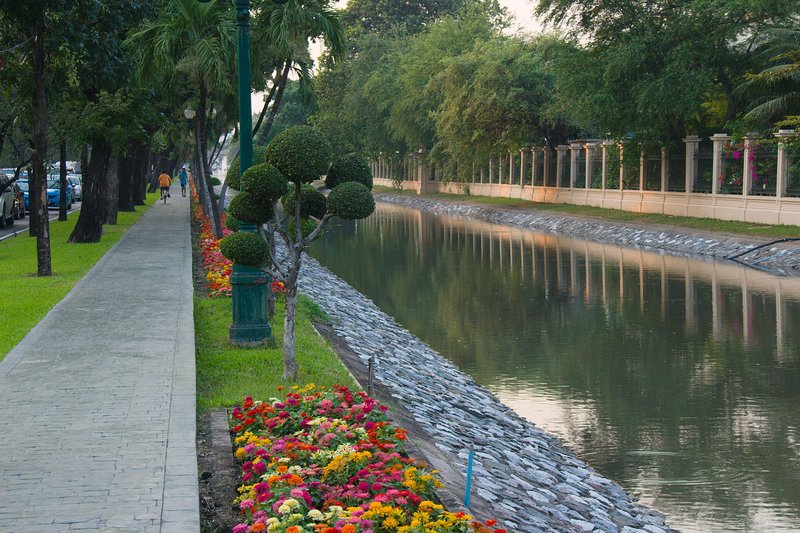
White Desert Setting up camp

White Desert Sunset, Day #1

White Desert Ready for supper

White Desert Campfire

In the morning, we went for a quick walk while Tamr prepared our breakfast. Our camel guide (Mohammed) showed up with two camels. He only spoke a few words of English, so he silently led us around for the next few days. I had kind of pictured us riding and maneouvering the camels ourselves, but it was more like him walking ahead and leading them on a rope. I tried to get introduced to my camel, but she had no name… so there weren’t really any introductions to be had.
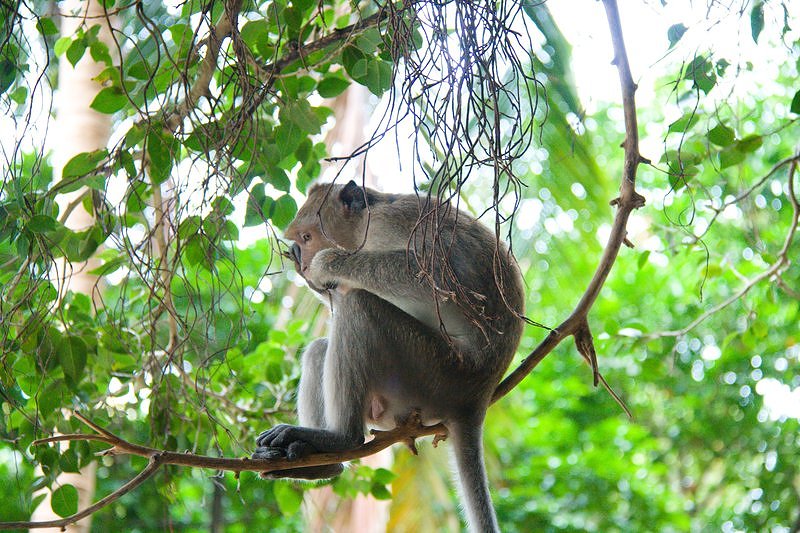
White Desert Desert beetle

White Desert Scenery during our morning walk

White Desert Our camels!!!

White Desert Getting ready to go

White Desert Been to the desert on a camel with no name…

White Desert View from my camel

White Desert Camel riding “like an Egyptian”

White Desert Mohammed

White Desert We spent hours looking for different shapes in the strange rock formations

White Desert More cool rock formations

White Desert One of the few English words Mohammed knew: “chicken”

We spent about two hours on the camels before lunch and two hours on them afterwards. Lunch was a lengthy affair, which was welcome on Day 2 as a sandstorm blew in and we had to wait it out before we could leave our lunch tent. Let me just say… two hours on a camel is painful. The ride itself is actually fairly smooth, but camels are a lot wider than they look. It’s really hard on your hips and legs to straddle something that wide for that long. At the end of Day 3, I got off my camel and actually couldn’t walk. I just stood there, telling my legs to move… but nothing happened. If nothing else, it gave everyone besides me a good laugh.

On the final morning, we helped Tamr clean up camp and climbed into the jeep to return to the Oasis. We stopped at some hot and cold springs on the way. As I described before, they were nothing like what I was imagining. Upon returning to the Oasis, we hopped on probably the most uncomfortable bus I’ve been on (the seat in front of me was broken, so the Korean guy in it was essentially using my knees to keep himself upright) and returned to Cairo. It was hard to leave the desert behind.

White Desert Lunch break

White Desert Sand storm is letting up

White Desert Rabbit rock

White Desert Sunset, Day #2

White Desert Enjoying the camel ride

White Desert Camp #2

White Desert Camp #2

White Desert Sunset, Day #2

White Desert Sunset, Day #2

White Desert Me and the camels. We may be in the desert, but as soon as the sun starts dropping it gets cold fast!

White Desert All tuckered out

White Desert Tamr’s friend, the fox… eyeing up Mike’s shoes for supper

White Desert Rhino rock

White Desert Camel teeth are sexy!

White Desert The “brakes”

White Desert Oasis lunch stop

White Desert After two days of walking without any food or water, one camel drank for about 5 seconds and the other wanted none of it

White Desert Harsh landscape… we felt bad for the camels’ feet

White Desert Tree

White Desert White desert

White Desert Goodbye camels with no names!

White Desert Making sand angels (this was a few days before Christmas)

White Desert Sunset, Day #3

White Desert Sunset, Day #3

White Desert Sunset, Day #3

By , March 11, 2013 11:40 am

I’m going to let you in on a dirty little secret. Ready for it? OK…. most travellers don’t like to travel. There, I said it.

“What?!?!?” you’re thinking, “how can that be so? How can a traveller hate travelling?

Now first of all, I didn’t say “hate,” I said “don’t like.” Don’t put words in my mouth. There’s a difference. Second of all, it’s the truth. Most travellers I know dread travel days.

Travel days mean early morning flights; figuring out the best deal out of a hundred possibilities to get from Point A to Point B; booking hostels online at the last minute; dealing with cancelled ATM cards; searching the streets for a hospedaje that doesn’t have a weird, musty smell; sleeping in airports; countless hours of waiting; getting ripped off by money exchangers at the border; worrying about pickpockets; watching your possessions like a hawk; checking to see if you still have your bus/train/plane ticket; getting dropped off on the highway in the middle of who-knows-where; 12 hour bus rides; overnight buses without seats or with crying babies; grumpy border guards and customs officials; checking to see if your passport is still in your pocket where you left it 10 minutes ago; endless compromises (for couples, anyways); all-around sleep deprivation; self-induced dehydration so you don’t have to pee before the next rest stop; border scams; filthy public toilets; trusting strangers; transfers and connections; body and bag searches; unwanted marriage proposals; drunk men threatening you on buses; pushy taxi drivers who won’t take no for an answer; sore butts and stiff necks; checking again to make sure your passport is still there; standing in the back of a chicken bus with someone’s hand on your butt and your head tilted at an unnatural angle to keep it from banging against the roof at each bump; hanging on for dear life in the back of a pickup; buying tickets in a foreign language; navigating 7 km of city streets by foot in 40°C weather because you’re too frugal to pay for a cab, loaded down with your backpack and a poorly chosen daybag design that leaves your neck raw and your shoulders aching – all without a map, a working or even a basic knowledge of the local language, nor the exact address of your hostel (OK, maybe that last bit’s just us).

The reality is travel is stressful. When everything you own is in a bag under a bus, you worry about it. Not so much because you’re attached to the stuff, but because you really don’t want to have to fork over the cash to replace it. When all the control of the situation is taken from you (such as when you leave, if the bus shows up, if you actually have seats, when the bathroom breaks are, how secure the baggage area is, etc.), you are bound to end up a little frazzled.

Travelling as a couple, Mike and I quickly realized that travel days would be the most challenging for our relationship. The stress and challenges we encounter pretty much guarantee a fight. Every decision on our RTW journey – from where to go, how long to stay, what to see, what hotel to stay at, where to eat, which type of cheese to buy – is a compromise. Add to that the stress of the actual travel day and we’re bickering left and right.

So why, then, do we travel?

Trust me – we didn’t quit our jobs and sell our belongings to ride buses around the world.  We did it for the magic of arriving in a new city or country; the fun of checking out the lay of the land and exploring the streets; to get inspired; to take in the sights, smells, sounds, and quirks of different cultures; to experience the kindness of strangers; to taste new flavours; to make amazing new friends; to discover more about who we are; to experience everything that life has to offer; to find the beautiful and the good in the world.

These things are why we travel.

And they make all the other stuff worth going through.

By , March 8, 2013 10:00 am

Not surprisingly, the graffiti we discovered in Cairo was some of the most powerful and political that we’ve ever seen.  Here are a few images:

Graffiti - Cairo


Graffiti - Cairo


Graffiti - Cairo


Graffiti - Cairo


Graffiti - Cairo


Graffiti - Cairo


Graffiti - Cairo


Graffiti - Cairo


Graffiti - Cairo


Graffiti - Cairo


Graffiti - Cairo


Graffiti - Cairo


Graffiti - Cairo


Graffiti - Cairo


Graffiti - Cairo


Graffiti - Cairo
By , March 1, 2013 9:17 am

When we first realized we could fit a short trip to Egypt into our travel plans, we were a little nervous how our families would react. The post-revolution political situation was rocky at best and our parents typically start fretting about anywhere that sounds remotely dangerous (Mexico, Honduras, and Serbia – which sounds a lot like Syria – topped their list of “Are you sure it’s safe to be there?  Call us to let us know you’re still OK!” countries). But when we broke the news to them, they were excited for us. Apparently the images of deserts, camels, and pyramids won out over the revolutionary protests in their collective memories. Excellent.

Then, on November 22, Muburak decreed absolute powers for himself and the country broke out into a new round of protests, some violent. The country was making international headlines daily. We were inundated with concerned inquiries from family and friends and were even wondering ourselves whether our December 15 flight into Cairo would still be a good idea. We monitored the situation – things seemed under control and none of the disrest was associated with foreigners. We decided to stick with our plan. We did our best to reassure our parents that we would take it one day at a time and that we wouldn’t knowingly put ourselves in a sketchy situation.

We flew into Cairo on December 15 – the first day of their highly controversial (according to the media, anyways) constitutional referendum.

Our flight was delayed nearly two hours, and when we finally arrived at the Cairo airport, we were happy to see that the driver from our hotel was still waiting around to pick us up. He made sure we knew what a big deal it was that he waited and how tired he was, setting the guilt-ridden groundwork for a big tip. On the drive to our downtown hotel, which was located a few blocks from Tahrir Square, we didn’t notice any signs of protests or referendums. It seemed to be business as usual.

If you call complete traffic chaos usual, that is. As our driver informed us, there are no traffic regulations in Egypt. There are very few traffic lights and of those, very few actually work. Nor are they followed. The lines on the roads seem to be nothing more than decoration and it seems you gain the right of way by honking your horn the most. So there’s always a mind-shattering, convoluted symphony of horns. I can’t count the number of near collisions we were almost in and there was at least one pedestrian that came inches away from losing his kneecaps at the hands of our driver.

Arriving at our hotel, we saw burned out shells of cars littering the street.  Our hotel was on the 4th floor of a sketchy looking building – it was the kind of place that makes you think twice before getting out of the cab at night.

But it was fine.  Grungy, dirty, and smelly (I’m talking about both the city and our hotel here), but fine. As we explored the city of Cairo, we saw signs of the revolution and protests, but never once felt like we or our property were in danger.  We didn’t think twice about pulling out the SLR camera for a photo.  While everyone seemed to think that we were walking ATM machines and worked really hard to squeeze out our hard-earned cash, they attempted this through hustles and scams, not violence or threats.

Hotel Lobby - Cairo Hotel lobby

Tahrir Square was still full of protestors camped out.  Things always seemed peaceful as we walked by, though it was quite dirty.  The nearby streets reeked of urine and other bodily odors, and you sometimes had to dodge human feces on the sidewalks.  Metro entrances in the area were often chained shut and equally filthy. Vendors surrounded the square selling flags and food.  We even walked through the square at night without problems.

Tahrir Square - Cairo Tahrir Square

Tahrir Square - Cairo Tahrir Square

Tahrir Square - Cairo Tahrir Square at night

Tahrir Square - Cairo Tahrir Square at night

As for the “big” referendum, most people we talked to didn’t think it was a big deal.  They either weren’t planning to vote or didn’t even know what we were talking about.

Most of them lamented about how things “used to be better” – before Morsi, before the revolution, before the tourists left.  They dreamed of a stable Egypt.  One where tourists weren’t afraid to come and spend their dollars.  One where they didn’t have to worry about how they could feed their families.

The general consensus was that the revolution was “stolen” from the people by the Muslim Brotherhood.  They said if you shave off Morsi’s beard, you just get Mubarak.  Same same, but different.  No one seemed optimistic about change.

Not once in Egypt did we feel unsafe. We came across concrete and barb wire street barricades, but they were easy to bypass on foot.  One day, when there was a call for a mass street protest in Cairo, we walked past street after street of military and riot police, fully decked out.  But they were sprawled on the sidewalks, laughing and drinking tea… obviously there in case things turned ugly, but there was no tension in the air.

Tahrir Square - Cairo Barbed wire blocking road to Tahrir Square

Barricade - Cairo Street barricade

Barricade - Cairo Street barricade

If you are thinking about traveling to Egypt, don’t let the imagined fear of the media and people thousands of kilometers away from the country prohibit you from planning it.  While you should still be smart and cautious, remember that most of what you see on the news is happening in a few, isolated locations (like Tahrir Square and the presidential palace).  It’s pretty easy to avoid them if you want.  Outside of those places, life is going on like normal for the majority of Egyptians.

Instead of letting a few images on the news rule your decision-making, find some travel forums or blogs of people that are actually IN the country.  This will give you a much clearer picture of what’s happening (or not happening, as the case may be).  Read government advisories, but take them with a grain of salt (they are typically overly pessimistic).  And monitor the latest news and political situations, remembering to read between the lines for the truth.  When in the country, ask your hotel clerks about places/times you should avoid.

While the touts and scammers might be enough to scare me away, the political and social situations are not.  After 3 1/2 weeks in post-revolution Egypt, I can honestly stay the scariest experience we had was playing human Frogger as we crossed busy Cairo streets.

By , February 24, 2013 9:57 am

Egypt has long been romanticized as a travel destination. Who didn’t grow up dreaming of seeing the Pyramids, sailing the Nile, or crossing the desert? Camels and souks, sand and hieroglyphics, tombs and the lush Nile banks… these are the images we associate with Egypt.

Giza Pyramids The Egypt we imagine…

It’s not until you start listening to actual travellers’ tales and doing a bit of research that you start to glimpse another side of Egypt. A dirtier, uglier, smellier side.

Elephantine Island - Aswan …the Egypt we get

In this newest instalment in our series of Egypt posts, we will attempt to give you our real experiences – the unromanticized, gritty, dirty reality that came our way. This post is going to focus on the lows – mostly because we want to get it all out there in one therapeutic, cleansing shot, saving you (and us) post after post of whining about the crappy parts of the experiences we had. For the highs, check out Mike’s Alexandria post and stay tuned for our upcoming Egypt posts.

Before we arrived, I really, REALLY wanted to like Egypt. Partly for all the bleary-eyed romantic reasons listed above, and partly because I had heard so much bad about it and wanted to prove the haters wrong. When we travel, we always aim to go slow and truly experience the country and its culture (rather than just check off a list of sights to see and move on). We had heard a lot of bad about Turkey too (usually from people who stick tightly to the tourist trail and thus the carpet/tea/spice vendors) and it turned out to be one of our favourite countries! I was sure that Egypt was just a little misunderstood.

The truth is this… I DID NOT like Egypt. In fact, I COULD NOT like Egypt.  I couldn’t wait for my flight out and it took a few weeks on the beaches of Thailand before I was clear-headed and mellow enough to even attempt this post. Here’s why:

The Touts

The Egyptian touts are the most annoying and relentless I’ve ever encountered, bar none. This, I believe from talking with other travllers, is especially true post-revolution. There are currently 10-20 time LESS tourists than there were before Muburak was ousted. But there are the same number of touts. The result is an endless barrage of salesmen desperately pitching their wares (horses, carriages, feluccas, head scarves, postcards, and everything else you can think of).

Does a sunset Nile walk sound nice? Think again. We tried this a few times in Luxor and Aswan. As soon as we got anywhere near the river, there was a carriage driver or a felucca captain launching into their pitch. A polite “No, thank you” would do nothing to assuage their verbal assault. A “la shokran” (that’s Arabic for “no thank you”) was similarly ignored. Many a tout followed us up to three blocks down the street, despite our repeated and futile attempts at clearly and politely turning them away. When they finally left (usually with an attempt to get us to promise we’d come back to them later), there was another waiting in the wings. Sometimes there was one on each side of us, wearing down any remnants of kindness or patience we had left. Romantic, right? This happens EVERYWHERE, ALL THE TIME, EVERY DAY.

Luxor I had to field the felucca conversation so Mike could snap this shot of the Nile in Luxor

One of the most annoying and frustrating parts of dealing with these touts (besides sheer frequency) was their insistence on “having a conversation” with you. Time and time again, we were asked our names, where we were from (to which they always bizarrely replied with “Canada Dry! Never die!” or, even stranger – “Welcome to Alaska!”), where we were going, how long we’ve been here, and so on. Going through this entire introduction 50 times a day gets old. Really old. Of course, any attempt to have an actual conversation with a tout is twisted into the sales pitch, so forget that.

At the pyramids, the touts actually had me in tears. Mike and I blew off the recommendation that we needed to get a driver to take us there and opted for public transport (that was a hassle in itself, as I’ll describe later). Before we even entered the gates, we were practically plowed over by camel and horse drivers trying to get us on their animals for a tour around the pyramids. We, of course, declined. And declined. And declined. We couldn’t find two seconds of peace and they just wouldn’t let up.

Finally, we sat down on a relatively quiet side of a pyramid to try to hide from them and get some peace. We wanted to look around and be amazed. We were at the pyramids, for crying out loud – something I’ve always dreamed of!

No more than 30 seconds after we sat down, a young boy (maybe 14 years old) came up and tried to sell us some trinkets. We weren’t interested, but he wouldn’t go away. He put head scarves on us, forced scarab beads into my hands (2 for us and 2 for our future kids), and continued to pester us. He actually went so far as to stick his hand into Mike’s pocket to confirm that he wasn’t carrying any money (in an attempt to rid ourselves of him, Mike told him he couldn’t buy anything because he had no money… which was true, since I was carrying it). I was so angry and frustrated at this point, tears welled up in my eyes and the kid made a hasty retreat. Not that it bought us any peace from all the others waiting to swoop in for the kill (oops, I mean sale).

Giza Pyramids We are smiling to keep from crying…

In Luxor, Mike wanted to price out some hibiscus tea that he enjoyed. We stopped at a spice and tea vendor, and had to smell and taste nearly every spice he had before we got him focused on the tea we were actually interested in. Mike repeatedly asked for the price, but the vendor wouldn’t be straight with us. He invited us to sit down and have tea, which we did (against my wishes, but so be it). He packaged up some tea, weighed it out and finally spit out an absolutely ridiculous price of 200 pounds for 100 grams. We had no idea what it should cost, but we knew this was waaaayyyy too much. We reminded him we were just pricing things out and had no intentions of buying anything that night (which we had told him a couple times already, as we weren’t even carrying money) and wished him a good night. He blocked our way from leaving, and after many attempts by us to go, he eventually came down to the still crazy price of 20 pounds for 100 grams. We again declined, and physically had to push past him to exit his stall.

Luxor Market Luxor tourist market… we almost didn’t escape!

I’m not sure that I’ve explained this well enough for you to get the full picture, so let’s try a little exercise. Close your eyes. Picture the most annoying salesman/tout/vendor/beggar/tuk-tuk driver you’ve ever encountered on your travels. Now picture hundreds of them… an endless line of them, if you will. Imagine yourself walking past that line day after day after day. That’s kind of what it’s like in Egypt.

The Hustlers

In Cairo, there were no carriage drivers or felucca captains to worry about. Touts were easily avoided by avoiding the tourist souks. There were, however, hustlers. We had been warned by our hotel management to avoid anyone that came up and asked where we were from. Invariably, they would have an uncle/aunt/cousin/pet hamster that lives there too. Then they would introduce themselves as a teacher or professor (someone to be universally trusted, you know). After establishing that they were familiar with your homeland and were upstanding citizens, the hustlers would try a gimmick to get you to follow them to a shop that sells perfume, papyrus, or some other item of useless tourist crap.

Despite the warnings, we were hustled again and again. We were led into the shops of the guy at the breakfast bean cart that just wanted to give us directions to the museum, the guy in the market who needed someone to write a postcard in English to his sister in Canada who just had a baby (why doesn’t his sister know Arab?), the guy smoking sheesha at a coffee shop that just wanted to show foreigners the kinder side of Egyptians (and get a token from Canada – “Can I have your watch?”), and the guy who “knew” where the bus station was and would be happy to guide us there (it looked an awful lot like a taxi stand, if you ask me). Time and time again, I would turn to Mike and say “We’re getting hustled” and time and time again he would say “I know…” but was too polite to stop the guy before we were at the shop and had been forced to look at oodles of the crap they had for sale.

The Scammers

Let’s assume, for a moment, that I actually had a desire to go on a one-hour horse and carriage ride around Aswan or Luxor. The price is right (it started at 200 pounds, but always came down to 15-20) so I hop in the carriage. By all accounts, the driver will then take me more or less directly to a special “only open on Tuesdays/Wednesdays/(insert the current day here)” market where their friend has a shop and together they will attempt to pressure me into a sale. Nice tour.

When it came time for our flights out of Cairo, we were more than happy to escape it all. But even at the airport we had to watch out for scammers. As we attempted to enter the international terminal (which requires going through  security/x-ray screening) a man tried to scam us into paying him to let us in. He wanted us to hand over our passports and boarding passes and pay him a fee. He had no uniform or name tag. We flatly refused, walked to the next entrance and found a security guard (who, to make life more interesting, also had no uniform or name tag) to let us in. After checking in, we went to find our gate to wait for the flight. Security is set up for each individual gate and it wouldn’t open until 45 minutes before the flight. Again, a man swooped right in to try to get us to bribe him to let us into the gate early.

The Relentlessness of It All – There’s (Almost) NO Escape!

As I already mentioned, the touts, hustlers, and scammers are lined up a dozen deep at all given times when you’re in the tourist areas. So the solution should be simple, right? Get out of the tourist areas. Easier said than done… In Luxor, fed up with the felucca captains and carriage drivers, we decided to turn right out of our hotel instead of left. This would take us into the residential areas instead of the temple or Nile areas. We had gone no more than a block before a group of kids wielding machetes blocked the street and told us that the road was closed to us and we couldn’t pass. Their mothers sat looking on. So much for escaping the tourist parts.

Even simple daily actions, like buying a bottle of water or a sandwich from a shop wears you out. We were in Egypt long enough to know the prices. In fact, grocery shop prices are set by the government to help combat inflation. A 1.5 L bottle of water should cost 3 pounds or $0.50. But often we would bring one up to the till and get charged more than that. A little negotiation, and we could almost always get it down to the actual price. But it’s exhausting to do this with every drink, sandwich, bag of dates, etc.

There are but a few means of escape… go camp out in the middle of the desert, sail down the Nile, or get lucky and find the untouristy streets of a city (we did successfully manage this when we walked to Old Cairo).

White Desert Ahhh, at last… peace and quiet!  You won’t find any touts out here.

The Misinformation

All we wanted to do was get from our hotel (near Tahrir Square) to the Pyramids. That’s it. EVERYONE who visits Cairo visits the pyramids, so it should be easy to figure out how, right? Everyone we asked told us something different. First, we were told to take the tourist bus that leaves from across the museum every 15 minutes. When we couldn’t find it, we asked around. Several different people told us to take several different buses from a bus station that was apparently several different directions from where we were standing. We couldn’t get a straight answer to save our lives. OK, we could… but it took about an hour. And we got off the bus, a guy managed to hustle us to the camel vendors instead of the pyramid entrance.

Giza Pyramids Wait… this isn’t the pyramids!

Rather than go through the hassle of returning via bus, we opted for the metro. But even then, we were directed away from metro stations, told to get on the wrong minibus (the metro station isn’t really within walking distance from the pyramids), and were charged too much for the ride.

You Won’t Ever Get What You Pay For (or Any Proof That You Paid For It)

We booked exactly four tours in Egypt (a lot for us) and we never once got what was promised.

The White Desert Tour

The first tour, to the White Desert, was the most expensive. We handed over our hard-earned cash to our hotel manager and got an “OK” in return – no receipt, no tickets… just a promise that we would get what we were, well, promised. This is more than a little unnerving, let me tell you. Especially when you get up the next morning and are handed a bus ticket to the oasis with no proof of which tour you’ve paid upfront for.

Things mostly worked out in this regard, though there were additional desert entrance fees that we charged on top of the all-inclusive price and we had to fork over extra for water that was promised to be included. Not a big deal.

We had booked a 4-day, 3-night desert tour complete with camels. We were supposed to be with the camels the first afternoon, and both full days after that. When we arrived at the Bedouin camel camp with our guide, we were told that our camel guide was not there. And he wouldn’t be arriving until late that night or early the next morning. So no camels that night (our consolation prize was some over-sugared Bedouin tea).

As for the 4 days, 3 nights promise?  The first day is spent largely getting from Cairo to the oasis, then driving by jeep to the camel camp.  The final day involved hopping in the jeep at 8 am in order to get back to the oasis to catch your bus back to Cairo (with a couple quick stops at the promised springs).  So that’s more like 2 days, 3 nights.  With three hour lunch breaks.

The final day of the tour was supposed to include hot and cold springs. I pictured pretty springs in an oasis where we could soak away the camel pains from our desert trek. Boy, was I wrong.  Instead, we got this…

Hot Spring - White Desert

… complete with random Egyptian guy passed out next to the trough, sleeping off something. Scenic.

The Full-Day Abu Simbel Tour

Our next foray into booking a tour came in Aswan. Abu Simbel was a must-see and really the only way to get there is through a tour (the buses and vans form a convey in the wee hours of the morning and travel down the highway together. There is no public transportation). We booked a full-day tour that was to include all transportation, 2 hours at Abu Simbel, 1 hour at the High Dam, 1 hour at Philae Temple, and 1 hour at the unfinished obelisk. Entrance fees were extra and we were given a ballpark idea of what they might be (which was about half of what they actually were… why lie about things that aren’t included anyways?).

The day started fine… Abu Simbel was incredible and we were given the promised two hours (which was actually just about right for once). Then things went downhill. When we arrived at the High Dam, we were told it would take about 10 minutes to see it. We weren’t willing to pay 30 pounds ($5 CAD) each for 10 minutes at a dam, so we sat at the ticket booth while the rest of the van saw it. They all came back disappointed – they literally just drove to viewpoint overlooking the dam. Later, we drove over the same dam.  For free.

Next was Philae Temple. The temple is on an island and when you go to buy a ticket, there are signs clearly stating that the cost of the boat is not included in the ticket price. We were debating whether the temple would be worth its fee, so we asked the ticket vendor how much a boat would cost. He told us he had no idea. Yeah right.

We decided to try our luck, bought our tickets, and went through the gate to try to haggle a fair price for the boat. The captains were charging ridiculous prices (surprise, surprise)… but we finally got one down to 10 pounds/person for our group of 8 people. The haggling and boat ride had already knocked 30 minutes off the hour our driver gave us, so we made a group decision that we would stay on the island for an hour before returning to our driver.

Philae Temple Swimming would probably be easier than haggling with the boat captains

The final stop was the unfinished obelisk. When we pulled up, the driver told us we had 10 minutes. We spoke up (because we actually wanted to see this one) and explained that we were promised an hour. He told us it was closing in 10 minutes, so there was nothing he could do. This was obviously an outright lie, since it was about 3:10 when we pulled up and most places don’t close at 3:20, even in Egypt. The hike up to the obelisk looked to take almost 10 minutes, so everyone in the van opted out.

As we drove away, the driver said that we each owed him 5 pounds. Outraged, we asked why. He said it was for his tip. Ha!  Again, everyone in the van declined. So he pulled over and told us all to get out. Luckily, we were only about 4 blocks from our hotel…though Mike and I were the only ones in the van that knew where we were when we got out.

The Aswan to Luxor (If I Can Even Call It That) Felucca Cruise

Next up in the list of fabulous tours was our felucca cruise down the Nile. We purposely timed it so we would spend New Year’s Eve on the boat and were looking forward to socializing with some new friends during the voyage. Our camel trip had been a private tour, so we were happy to do a group one here. We were promised a 3 day, 2 night cruise from Aswan to Luxor. We wouldn’t actually make it all the way to Luxor in that time, so the third day involved a bus that would pick us up, take us to Kom Ombo and Edfu temples while our stuff was locked up safely on the aforementioned bus, and then we would be dropped of at our hotel in Luxor.

To begin with, they were an hour late picking us up at our hotel. They walked us to the felucca, sat us down and told us to wait for the others. After almost an hour of waiting, our captain showed up (smoking what I can only describe as the biggest joint I have ever seen) and told us all the “others” had cancelled so it would just be me and Mike. OK, we’ll roll with it.

After all the delays, the first day of sailing was really only a few hours. That night, our captain Ahmed and his first mate Kushka (who spoke maybe 20 words of English between them and made no attempt to interact with us) had their own private New Year’s Eve’s Eve (as in the night before New Year’s Eve) party in their bunk as we fell asleep under the stars on the deck.

It must have been quite the bash (did I mention they got totally baked?), because they slept in until 11:30 the next morning. Finally, they came to and attended to our breakfast (we had been up since sunrise and I was ready to gnaw my arm off at this point). They were even quieter today as they tried to recover from last night’s bender.

Felucca - Aswan to Luxor Mike, contemplating whether or not he could sail the felucca

The next morning, they were up bright and early and we were met by another Egyptian man on shore. He was obviously brought in to translate and give us instructions. He told us there was a tuk-tuk driver ready to take us to the train station. I asked if our bus would be at the train station, since it was supposed to be included. The guys all argued with each other in Arabic and he explained that no, we would have to pay for a tuk-tuk to take us to the station so we could buy our own tickets to Luxor. We explained again what we paid for and had him call our hotel in Aswan (where we had booked the tour through).

Apparently, since we got a “private” tour, there would be no bus. They had already “lost” money on the trip and wouldn’t fork over anymore cash. After a lot of debate, and a few more phone calls to the hotel, we got them to agree that we wouldn’t have to pay for the tuk-tuk.  It would take us to Kom Ombo temple and wait for us for an hour,and then to the train station where we would have to purchase our own ticket. We couldn’t get anything more, so we took it.

As we started down the highway with our bags crowded in among us, I realized that we couldn’t trust the kid driving the tuk-tuk to watch our things (and no tip we gave him would be worth as much as our laptops) and we really didn’t want to lug any of our stuff through a temple.  Through sign language, we got him to understand that he should skip the temple and take us straight to the train station. Happy New Year!

Valley of the Kings Tour

Our final tour was to the Valley of the Kings in Luxor. We weren’t actually going to book this one (we were going to rent bicycles and do it ourselves), but our Luxor hotel manager managed to help us sort out the Felucca problems with a well-placed threat about going to the tourist police – and then he negotiated a deal where our Aswan hotel would pay our Luxor hotel for a Valley of the Kings tour for us (just the tour fees, not the entrance fees… and of course the Luxor manager was getting something out of the deal).

I have to say, the tour delivered exactly what was promised (plus a little mandatory shopping stop at an alabaster store) – though it started a little rough.

We were supposed to go on the tour on Wednesday, but the hotel in Aswan hadn’t sent the money to the Luxor hotel by Tuesday night – so, we were told they would postpone it a day. This was no problem for us, as we had budgeted plenty of time in Luxor.

We stayed up late Tuesday night and were blissfully sleeping in on Wednesday, when there was a knock at our door at 7 am. Somewhere in my sleepy state, the man at the door managed to make me understand that things had changed again and the tour would be that day. We quickly threw on some clothes, grabbed our breakfast to go, and climbed into the tour van with the rest of the people (who were none too happy at our unintended tardiness).

Lack of Official Infrastructure

With all the misinformation, it was hard to know who to trust and what was legit. The lack of infrastructure didn’t help things here. Nowhere is this more apparent than at the Pyramids of Giza themselves.

When we finally arrived at the pyramids, we were told to buy a ticket at the ticket counter. The “ticket counter” was a grey concrete building. There were no signs. Nothing to say it was associated with the pyramids. Nothing to say they were selling tickets. No indication of how much the tickets cost. No one wearing a uniform or name tag in sight.  We approached it with doubt, but the lady behind the counter had what looked like official tickets with a price printed on them, so we paid it and left.

The second we walked through the gate with our tickets, we were approached by an “official watchman” of the pyramids. He flashed a plastic card with his picture printed over an image of the pyramids and some Arabic on it. Then he asked us for our tickets (we wouldn’t hand them over). Unphased, he started leading us around. We clearly stated that we didn’t want a guide and if he wanted to show us around that was fine, but we wouldn’t be paying him anything for his services. He said that was fine, he was just happy to give us the tour.

He led us around for a while, forcing us (ok, he didn’t have a gun to our heads, but he was rather insistent) on taking a dozen cheesy tourist shots of us holding up the sphinx’s head with our fist and kissing it and so on…

Giza Pyramids While we had a lot of fun taking cheesy shots like this in Paris with the Eiffel Tower, for some reason (hmmm… wonder what that could be?), I just wasn’t feeling it this day…

He continued to rush ahead to the next thing and the next thing, and we had had enough. We thanked him for his time, but told him honestly that we would prefer to see things at our own pace with no one rushing us forward. He then asked for a tip. When we told him no and reminded him that we had already told him we didn’t want his services, he tried laying a huge guilt trip on us (“but if you don’t give me anything you’ll ruin my luck and my family’s luck for the rest of the year!”). We eventually escaped him.

Note:  This happens all the time at the temples.  Supposed “officials” will offer their services (and by “offer,” I mean start providing them without even asking) and then expect a tip.  Whether it’s a tour guide leading you around a site, someone inside ready to explain the carvings to you, or someone with the keys to all the off-limit – closed-for-renovation areas – there’s always someone there that wants your money.  This is why the very first words we learned in Arabic were “la baksheesh” or “no tips”.

Next, we thought we would go inside a pyramid. We went up to the “entrance” of the tunnel (again, no sign to indicate that is what is was). There were several men (mostly touts) sitting around. No uniforms of course. One of the touts that had just tried to sell us a camel ride tried to sell us tickets to enter the interior of the pyramid. He had to ask around to the others to produce these tickets.  This seemed sketchy, so we politely declined. Another man explained to us that there were no cameras allowed inside, so we would have to leave them outside with him. “Don’t worry,” he said, “It’s safe.” Ha! Yeah right! This sealed the deal for us and we skipped the inside tunnels.

The infrastructure, or lack thereof, at the pyramids was the story again and again throughout Egypt. “Official” anything was hard to find – policemen and security guards didn’t wear uniforms or name tags.  There were many security control stations, but everyone was just waved past the x-ray machines or, if we did put our things through them, no one looked to see.  “Metal detectors” at entrances seemed to be no more than glorified traffic counters with the words “metal detector” printed on them to aid in the deceit. Receipts for tours were non-existent.

Karnak Temple - Luxor “Security” at Karnak Temple in Luxor

Even something that should be straight-forward, like purchasing a train ticket, was difficult. We wanted to take the night train from Cairo to Aswan. Sleeper beds cost about $60 USD, first class seats are about $30 USD, and second class seats (for the locals) are about $12 USD. There was no way we were paying $120 for the two of us, so we tried to get ourselves the cheapest tickets.

We started at the sleeper train ticket counter in the Cairo train station, and were told to go to the regular ticket counter if we didn’t want beds. At that ticket counter, we were told to go to the sleeper train counter. When we insisted we wanted seats, we were told the train was full. What about the next day? Full. The next? Full. The next? Full. And so on. Finally, the man at the next counter over realized that we weren’t going anywhere without tickets. He came over, talked to the guy we were dealing with, and we finally got tickets (non-sleeper) for a train leaving in three nights. The price we were charged still didn’t match the price on the ticket, and when we questioned it we were told there were additional “taxes” we had to pay.

Sexual Harassment

Everywhere I went, I was subject to lewd comments, cat calls, and stares from Egyptian men. I heard a lot of “Hey baby”s and “Shakira!”s. (This was bizarre… I freely acknowledge that I don’t look anything like Shakira.  Maybe all it takes in Egypt is blonde hair?). And this was all with Mike by my side. If he walked more than five feet away from me, it got worse. After one day in Egypt, he declared that I wasn’t allowed to go out without him. And this didn’t hurt my feelings any.  Young men offered me food and Mike camels (in exchange for me, that is) and he was constantly told what a lucky man he was.

I always dressed respectfully.  I never left my hotel room wearing anything less than a high-necked, long-sleeve shirt (actually a thin wool zip-up sweater, since this was all I had) and full-length pants. Egypt is a conservative country and I don’t mind dressing by their standards. I did not wear a head-covering though, but I don’t expect this changed much reaction as there are many Egyptian women (mostly Coptic Christians) that don’t wear head-coverings either.

I spent metro rides staring at my feet to avoid the stares of all the men aboard. I wished I could crawl under a rock to hide when we had to ride the train from Kom Ombo to Luxor. The tickets were 3rd class and there were no seat assignments. We entered the first car and walked through about fifteen of them with the same story over and over. 95% of the passengers were male. As we walked by, Mike in front, they would put up their feet to block any empty seats from him and then lower them for me, gesturing that I should make him move on and sit with them by myself. All the while, I felt like every man there was mentally undressing me. It was the most uncomfortable I have ever felt while travelling and was grateful that I couldn’t understand the comments they made loudly in Arabic that got the whole car laughing. Finally, in one of the last cars, a plain-clothes police officer forced some guys to move and gave us their seats. He set his bags on the bench across from us so no one could harass me further.

From what I understand, my experiences were minor compared to some other female travelers in Egypt.

So With All This Bad, Should I Even Consider Traveling to Egypt???

Several people I have talked to since our time in Egypt have told me “If it’s that bad, I don’t think I’ll ever go.” I don’t want to you to walk away with that impression… there’s still a lot of good in Egypt.

While it was an absolute mind-f*** to try and backpack it, there is a way around it all. We have met a few travelers since we left that spent about a month in Egypt and loved it. Their secret? They booked a tour package.

If you’ve been reading this blog for any length of time, you’ll know that Mike and I are uniformly against tour packages. But Egypt is an exception… if you want to go, I really suggest you consider an organized tour. The guide can keep the hustlers and touts at bay, and since everything is included, there’s no haggling. Just make sure you research the tour company before you book.

The sights are really exceptional in Egypt and if you’ve ever dreamed of seeing the pyramids or walking through temples covered in hieroglyphics you won’t be disappointed by them.

The moments between all the frustration made our time in Egypt worthwhile.  We can honestly say that though we were more than happy to get the hell out of there and while we won’t be going back any time soon (except maybe to the Red Sea for diving), we are still happy we went.  What doesn’t kill you only makes you stronger, right?

By , February 17, 2013 8:15 am

After leaving Turkey, we spent three and half weeks in Egypt.

My mom always told me:

If you can’t say anything nice, don’t say anything at all.

So, with that in mind…

Graffiti - Cairo Cairo graffiti

HDR1 - Giza Pyramids of Giza

White Desert Camel safari in the White Desert

HDR - Alexandria Montazah Palace Gardens, Alexandria

Abu Simbel Abu Simbel Temple

Elephantine Island - Aswan Elephantine Island, Aswan

Felucca - Aswan to Luxor Felucca Cruise down the Nile

HDR4 - Luxor Luxor


By , February 12, 2013 8:28 am

Ephesus Tomb with Ephesus Library.  Just try to get a (nearly) people-free picture like this in the high season… I dare you.

For weeks now, we’ve been travelling along the western coast of Turkey and have been hitting ghost town after ghost town after ghost town.  (Note: This post was written in December, when we were still in Turkey).  As we walked the Lycian Way, we were surprised to find that even the largest centres (like Kalkan and Kaş) were virtually abandoned.  Almost all the restaurants were shut up for the season, hotels were closed down, and tumbleweeds were tumbling through the streets. While in Kaş, we were literally the only people in our building.  Olympos, where we spent 9 days R&Ring after the hike, had a population of approximately 11.  Pamukkale was a little busier, though most travelers were in and out in a single day as part of a tour. And the town of Selçuk (the base for exploring Ephesus) was similarly dead.  At least as far as the tourists go.

All of this off-season travel can be great… it means great rates at hotels, discounts and free tea at restaurants, “private” dorm rooms, and a break from the tourist throngs.

But there are a lot of downsides to off-season travel too.  Ferries are shut down, less restaurants mean less selection, “guaranteed everyday departure” buses don’t run everyday, regularly scheduled dolmuşes have you wait for a few hours until they get another client, and attractions are closed for renovations.

We REALLY wanted to fit a quick trip to the Greek island of Samos into our Turkish travels.  Samos is the birthplace of Pythagoras and since we’re both pretty big math nerds – me much more so than Mike – the visit would have meant a lot to us.  We were actually in the town of Kusadasi, which means we were only a few miles as the crow flies from Samos.  And yet no boats were running.  The only way to make the trip, from as far as we could tell, was to fly to Athens and then to Samos or wait for the New Year’s Eve boat/hotel package out to Samos. Neither of these were feasible options, so Pythagoras’ birthplace will have to wait for another trip.

We also wanted to visit the ruins of Aphrodisias, a 2.5 hour bus trip from Pamukkale.  Normally, there’s a return day trip offered everyday – but not in the winter.  They need at least 5 passengers to run the bus.  We could have pieced together the public transportation ourselves, but we decided the added time for transfers, hassle, and cost weren’t worth it.

So that brings us to Ephesus.  The Ephesus Museum in Selçuk, which I really wanted to see, was shut for renovations.  So was the Citadel of Ayasuluk (though this has been closed for restoration for a while… it’s not just an off-season thing).  As we were walking to the Ephesus ruins, one of the carpet shop owners called out to us to see why we were in Turkey in the winter because, as he says, “it’s much nicer in the summer.  Everyone else comes in the summer.”

Ephesus Walking to the ruins

So was it worth the trip?

ABSOLUTELY.

We had a great time exploring the large site of Ephesus.  The ruins were impressive and we had many parts of them to ourselves.  Though there were still a few tour bus cattle herding operations, the groups seemed to hit up the main sights and then quickly move on.  While I sat and gazed at the splendour of the Library of Celsus, I noticed several different groups arrive, snap their pictures, and move on.  At times, there were only about a dozen people in the Library area.

Ephesus Theatre

  Ephesus

Ephesus Marble street

Ephesus Ancient toilets

Ephesus Library

Ephesus Library

Ephesus Statue at Library

Ephesus

Ephesus I drove Mike nuts taking pictures of all the cats at the ruins

Ephesus

Ephesus Tile mosiac floor

Ephesus

Ephesus

Ephesus

Ephesus

We were also the only ones in the Terrace Houses exhibit (which have a separate entrance fee) and they were our favourite part of Ephesus. We were able to stare 2000-year-old aristocratic grandeur in the face, and it was every bit as glamorous as you would expect our modern day royalty to be used to. Walls were gilded in shining polished marble, floors were covered in detailed mosaics, and there were indoor pools, courtyards, plumbing and even heated flooring. It was a glimpse of something totally different than we got at any of the other ancient ruins we’ve visited.

Ephesus Terrace Houses

Ephesus

Ephesus

Ephesus Tiled floor mosiac in Terrace Houses

Ephesus Remnants of ancient plumbing in the Terrace Houses

Ephesus Terrace Houses

Infobox:

Ephesus is located about 3 km from Selçuk.  Don’t let the taxi drivers fool you… it’s an easy walk.  You can stop and check out the last remaining pillar of the Temple of Artemis (one of the 7 Ancient Wonders of the World) on the way.  It’s not much to see, but there’s no entrance fee.

Temple of Artemis All that remains of the Temple of Artemis.

If walking isn’t really your thing, dolmuses leave the otogar every 45 minutes (perhaps more often in the busy season) and cost a few lira.  Entrance fee is 25 lira/person.  If you want to see the Terrace Houses within the site, you’ll have to fork over another 15 lira at its entrance.  [Note: We usually skip these extra admission attractions, but this time we decided it might just be worthwhile - and, in our frugal opinion, it was.]

If you didn’t get enough photos here, you can always check out our Ephesus photo gallery!